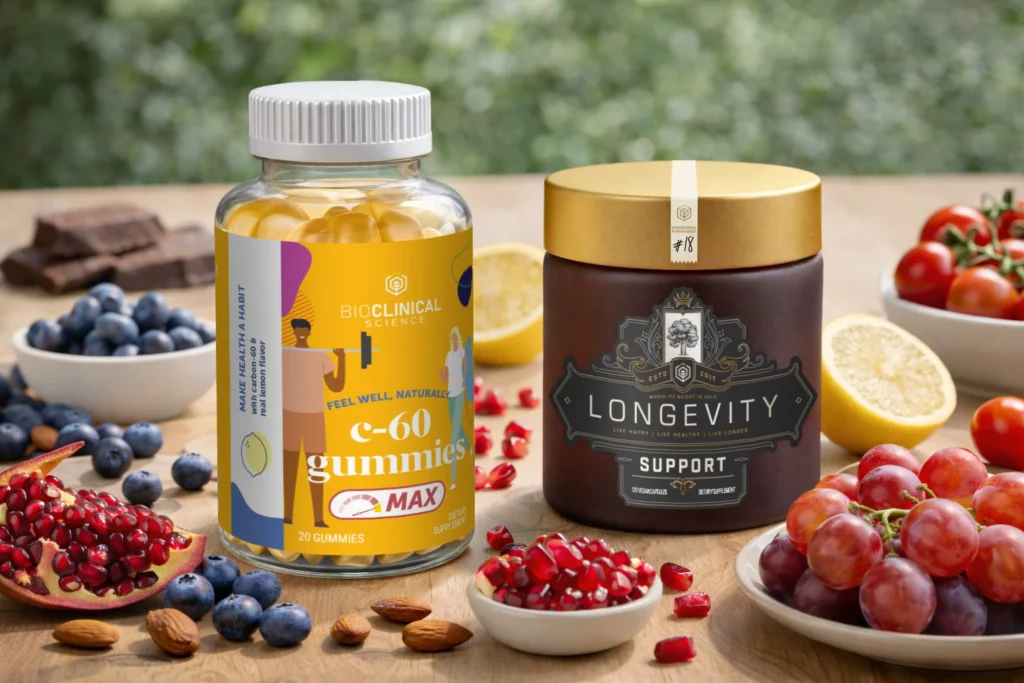
You may have heard of oxidative stress, but what does it mean? Oxidative stress is a condition in which the body has trouble detoxifying and repairing cellular damage. It’s defined as an imbalance between oxidants and antioxidants, leading to a disruption of redox signaling and control and/or molecular damage. In other words, oxidative stress can result in damaged DNA, proteins, and lipids, which can accelerate the progression of many chronic conditions. Looking for a way to combat oxidative stress? Here are a few of the best supplements for helping your body manage oxidative stress and support cellular health. So, What is Oxidative Stress? Oxidative stress is what happens when there’s an imbalance between oxidants (free radicals) and your body’s ability to neutralize these damaging elements, or its ability to repair the cellular damage that free radicals cause. Functionally, it can cause damage to the fundamental building blocks of your body’s systems. An imbalance like this can be caused by stress, poor diet, lack of exercise, or environmental exposure. Oxidative stress isn’t typically the sole cause of disease, but it’s one of the major accelerators of chronic conditions. You can almost think of oxidative stress like “cellular rust.” Just like oxygen plus water makes rust on the metal of an old car, free radicals can similarly “rust” your cells. Luckily, like a protective film for a car, some supplements can act like a protective coating for your cells. Can Supplements Help Reduce Oxidative Stress? The good news is that antioxidant supplements are well suited to address the problem of oxidative stress. Antioxidants like C-60 and Vitamin C have been shown to provide cellular relief from oxidative stress by neutralizing the free radicals causing the imbalance. Neutralizing these free radicals reduces the “noise” in your cellular environment, allowing your body’s natural repair mechanisms to function more efficiently. Supporting this cellular balance is important part of preventing heart disease, neurodegenerative disorders, and other inflammatory conditions. So, among the supplements that help fight oxidative stress, which are the best tools to keep in your toolkit? Best Supplements for Oxidative Stress Carbon 60 (C60) Powerful antioxidant potential Unique structure (free radical scavenging) Early research interest Carbon 60 (C60) is a relatively new supplement on the scene. It initially became known for its powerful antioxidant potential. C60 works by supporting cellular balance, neutralizing free radicals in the body and relieving oxidative stress. Known as a “free radical scavenger,” this antioxidant’s molecular structure breaks the destructive cycle caused by free radicals. For those looking for a convenient way to incorporate C60 into their routine, options like BioClinical Science C60 Gummies provide an easy daily format without the need for oils or capsules. Learn more about C60 benefits NMN (Nicotinamide Mononucleotide) Supports cellular energy (NAD+) Indirect oxidative stress support Longevity positioning Nicotinamide Mononucleotide (more commonly referred to as NMN) is a powerful supplement that is known to support cellular energy by acting as a precursor to NAD+, a coenzyme that fuels your body’s natural defense mechanisms. By elevating the level of this beneficial compound, the body’s natural defense mechanisms can more effectively fight against free radicals in the body that cause oxidative stress. In humans, NMN has shown potential to positively affect healthspan, which is a measure of how long an individual lives in reasonably good health. The areas that excite scientists about NMN include its promise in improving muscle insulin sensitivity, breathing capacity, and sleep quality in mature adults. There’s also emerging, but less proven, evidence that suggests NMN may have positive affects on physical function, cognitive health, and even maximum lifespan. Read more about NMN and how it may benefit healthspan and lifespan here Vitamin C Classic antioxidant Supports immune + cellular health Vitamin C (ascorbic acid) is a classic choice for potent antioxidant power. Getting enough Vitamin C can be simple, because it’s in so many of our favorite foods already, such as oranges, tomato juice, and broccoli… although I wouldn’t recommend eating those all at the same time. Jokes aside, while Vitamin C can be found in abundance in fresh natural foods, it’s not always easy for all of us to consistently plan it into our diets. That’s where supplementation can come in handy. Vitamin C also works in tandem with other antioxidants like Vitamin E; read on for more information about Vitamin E. In regards to Vitamin C, it also serves as a cofactor for several enzymes. It can help reduce oxidative stress itself, as well as supporting the other vitamins and enzymes that help protect against real cellular damage. And Vitamin C is even more powerful when you consider its effects on not only oxidative stress, but the immune system as well. Vitamin C supports white blood cell function, epithelial barrier integrity, and cytokine regulation…in short, it acts as both a natural defense booster for your body Vitamin E Fat-soluble antioxidant Protects cell membranes Vitamin E is a high-powered fat-soluble antioxidant. When free radicals target and attack lipid molecules, Vitamin E can intercept them and prevent them from starting a chain reaction that can destroy cell membranes. As mentioned, it’s particularly effective when it works with Vitamin C to re-cycle it so that the body can manage oxidative stress even with limited amounts of Vitamin E. So just getting some Vitamin E is crucial for health, even if it’s in small amounts. By way of reducing oxidative stress, Vitamin E can indirectly benefit immune function, cardiovascular health, and even skin protection. Glutathione “Master antioxidant” Supports detox + cellular defense Glutathione, known as “the master antioxidant,” is the chief mechanism by which the body regulates the internal balance between antioxidants and oxidants. It works by acting as a chemical “sponge” that can easily pass an electron to an unstable oxidant. The most significant effect Glutathione has on the body results from the body’s ability to recycle it, through a process known as the Redox Cycle. Mitochondria (the famous “powerhouse of the cell”) are the main site where free radicals are created. Glutathione

Introduction to the Research on Carbon 60 Oxidative stress is one of the major drivers of cellular damage in the body. Over time, free radicals produced through normal metabolism, environmental exposure, and inflammation can damage cells, proteins, and DNA. To counter this process, the body relies on antioxidants. These compounds help neutralize free radicals and support healthy cellular function. One antioxidant compound gaining increasing attention in research is Carbon 60 (C60). Because of its unique molecular structure and ability to interact with free radicals, C60 has attracted interest from scientists studying cellular health and longevity. In this article, we’ll look at what C60 is, how it works in the body, and what research suggests about its potential benefits. What Is Carbon 60 (C60)? Carbon 60, often called C60 or buckminsterfullerene, is a molecule composed of 60 carbon atoms arranged in a hollow spherical structure. The shape resembles a soccer ball, made of interconnected hexagons and pentagons. This unusual structure allows the molecule to interact with free radicals in ways that traditional antioxidants cannot. Because of this property, researchers sometimes refer to C60 as a “radical sponge.” Scientists first discovered the molecule in 1985, and its discovery was significant enough to earn a Nobel Prize in Chemistry. Since then, researchers have explored its potential applications in materials science, medicine, and antioxidant research. How C60 Works in the Body The primary reason C60 attracts attention in health research is its potential role in neutralizing free radicals and supporting cellular health. Neutralizing Free Radicals Free radicals are unstable molecules that can damage cells through a process called oxidative stress. Antioxidants help stabilize these molecules by donating electrons, reducing their ability to cause damage. Because of its spherical carbon structure, C60 can interact with multiple free radicals at once, making it an interesting compound for antioxidant research. Supporting Cellular Health By helping reduce oxidative stress, antioxidant compounds may support: healthy cellular function mitochondrial efficiency normal aging processes Researchers continue to study how molecules like C60 may interact with cellular pathways involved in these processes. Potential Role in Longevity Research Some early animal studies have explored how antioxidant activity may influence aging and cellular resilience. While more research is needed, these findings have contributed to the growing interest in C60 among longevity researchers and wellness enthusiasts.¹ Research on C60 Benefits Research on C60 is still developing, but several areas have drawn attention. Early animal research published in the journal Biomaterials investigated the effects of oral carbon 60 administration on lifespan and oxidative stress markers. Antioxidant Activity Laboratory research suggests C60 may have strong antioxidant properties, allowing it to interact with and neutralize free radicals. Cellular Protection Studies Some studies suggest antioxidant compounds like C60 may help protect cells from oxidative stress caused by environmental factors. Longevity Research Early animal research exploring antioxidant activity and lifespan sparked significant interest in C60, though human research is still limited and ongoing. As with many emerging compounds, scientists continue studying how C60 interacts with biological systems. Potential Health Benefits of C60 Based on current research and antioxidant theory, C60 may support several areas of wellness. Supports Cellular Health By helping combat oxidative stress, antioxidants may help maintain normal cellular structure and function. Helps Combat Oxidative Stress Oxidative stress is associated with aging and many lifestyle factors such as pollution, poor diet, and chronic inflammation. Antioxidant support may help the body maintain balance against these stressors. May Support Healthy Aging Because oxidative stress plays a role in aging processes, antioxidants are frequently studied in longevity and healthy aging research. May Support Energy and Recovery Mitochondria, the energy centers of cells, are particularly vulnerable to oxidative stress. Antioxidant support may help maintain normal mitochondrial function. How to Take C60 Supplements C60 supplements are available in several formats, including: oils capsules liquid solutions gummies Different delivery formats may affect convenience, dosage consistency, and taste. Many people choose formats that are easy to incorporate into a daily routine. C60 Gummies vs Other C60 Supplements Traditional C60 supplements are often delivered in oils or capsules. While these formats can be effective, some people prefer options that are easier to take consistently. Gummy supplements provide several advantages: convenient daily use consistent dosing improved taste compliance For individuals interested in incorporating carbon 60 into their daily wellness routine, gummy-based supplements can offer a simple and enjoyable option. If you’re looking for a convenient way to add carbon 60 to your daily supplement routine, you can explore C60 Gummies from BioClinical Science, designed to provide antioxidant support in an easy-to-take format. Who Should Consider a C60 Supplement? People interested in antioxidant supplements often include: individuals focused on healthy aging those exposed to high oxidative stress lifestyles wellness enthusiasts exploring emerging longevity compounds individuals looking to support cellular health As with any supplement, individuals should consult a healthcare professional when considering new products. Frequently Asked Questions About C60 What does C60 do to your body? C60 is studied primarily for its antioxidant properties. Antioxidants help neutralize free radicals, which can damage cells through oxidative stress. How often should you take C60? Supplement frequency varies depending on product formulation and dosage. Always follow the instructions on the product label. Is C60 safe? Research on C60 continues to develop. When used in dietary supplement formulations, it is typically designed for normal wellness support. What foods contain C60? Carbon 60 is not found naturally in food sources. It is a laboratory-discovered molecule that can be incorporated into supplement formulations. Final Thoughts on C60 Benefits Interest in Carbon 60 continues to grow as researchers explore its antioxidant properties and potential role in cellular health. While research is ongoing, many people interested in longevity and antioxidant support are exploring C60 as part of a broader wellness routine. For those looking for a convenient way to incorporate this compound into their daily supplement regimen, C60 Gummies from BioClinical Science provide an easy-to-use option designed to support antioxidant health. References Baati, T., Bourasset, F., Gharbi, N., et al. (2012). The prolongation of the lifespan