Best Supplements for Oxidative Stress
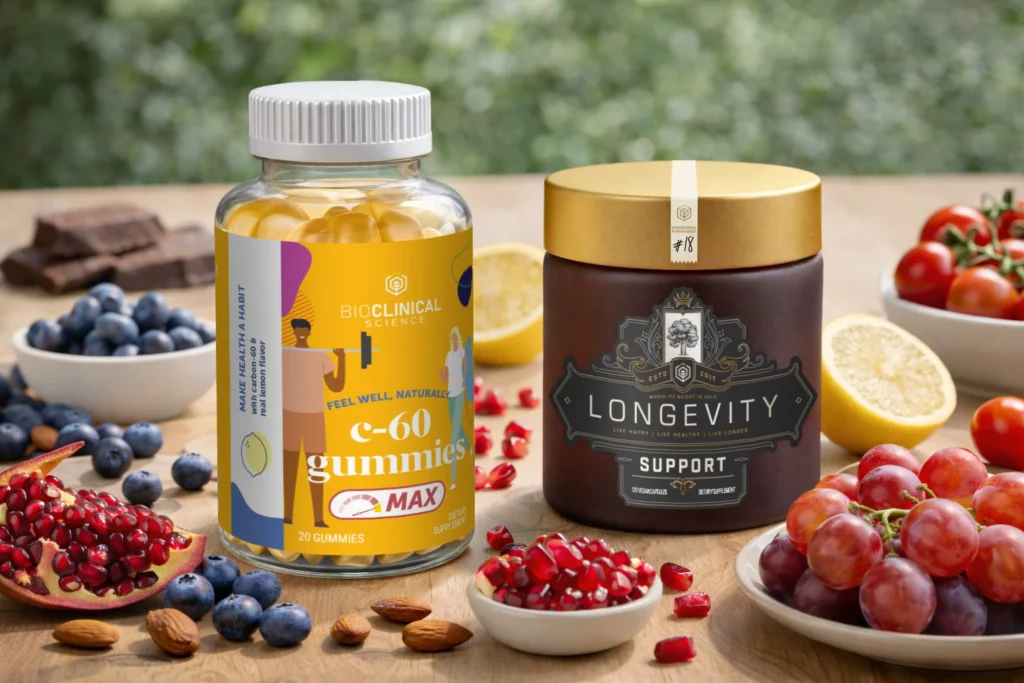
You may have heard of oxidative stress, but what does it mean? Oxidative stress is a condition in which the body has trouble detoxifying and repairing cellular damage. It’s defined as an imbalance between oxidants and antioxidants, leading to a disruption of redox signaling and control and/or molecular damage. In other words, oxidative stress can result in damaged DNA, proteins, and lipids, which can accelerate the progression of many chronic conditions. Looking for a way to combat oxidative stress? Here are a few of the best supplements for helping your body manage oxidative stress and support cellular health. So, What is Oxidative Stress? Oxidative stress is what happens when there’s an imbalance between oxidants (free radicals) and your body’s ability to neutralize these damaging elements, or its ability to repair the cellular damage that free radicals cause. Functionally, it can cause damage to the fundamental building blocks of your body’s systems. An imbalance like this can be caused by stress, poor diet, lack of exercise, or environmental exposure. Oxidative stress isn’t typically the sole cause of disease, but it’s one of the major accelerators of chronic conditions. You can almost think of oxidative stress like “cellular rust.” Just like oxygen plus water makes rust on the metal of an old car, free radicals can similarly “rust” your cells. Luckily, like a protective film for a car, some supplements can act like a protective coating for your cells. Can Supplements Help Reduce Oxidative Stress? The good news is that antioxidant supplements are well suited to address the problem of oxidative stress. Antioxidants like C-60 and Vitamin C have been shown to provide cellular relief from oxidative stress by neutralizing the free radicals causing the imbalance. Neutralizing these free radicals reduces the “noise” in your cellular environment, allowing your body’s natural repair mechanisms to function more efficiently. Supporting this cellular balance is important part of preventing heart disease, neurodegenerative disorders, and other inflammatory conditions. So, among the supplements that help fight oxidative stress, which are the best tools to keep in your toolkit? Best Supplements for Oxidative Stress Carbon 60 (C60) Powerful antioxidant potential Unique structure (free radical scavenging) Early research interest Carbon 60 (C60) is a relatively new supplement on the scene. It initially became known for its powerful antioxidant potential. C60 works by supporting cellular balance, neutralizing free radicals in the body and relieving oxidative stress. Known as a “free radical scavenger,” this antioxidant’s molecular structure breaks the destructive cycle caused by free radicals. For those looking for a convenient way to incorporate C60 into their routine, options like BioClinical Science C60 Gummies provide an easy daily format without the need for oils or capsules. Learn more about C60 benefits NMN (Nicotinamide Mononucleotide) Supports cellular energy (NAD+) Indirect oxidative stress support Longevity positioning Nicotinamide Mononucleotide (more commonly referred to as NMN) is a powerful supplement that is known to support cellular energy by acting as a precursor to NAD+, a coenzyme that fuels your body’s natural defense mechanisms. By elevating the level of this beneficial compound, the body’s natural defense mechanisms can more effectively fight against free radicals in the body that cause oxidative stress. In humans, NMN has shown potential to positively affect healthspan, which is a measure of how long an individual lives in reasonably good health. The areas that excite scientists about NMN include its promise in improving muscle insulin sensitivity, breathing capacity, and sleep quality in mature adults. There’s also emerging, but less proven, evidence that suggests NMN may have positive affects on physical function, cognitive health, and even maximum lifespan. Read more about NMN and how it may benefit healthspan and lifespan here Vitamin C Classic antioxidant Supports immune + cellular health Vitamin C (ascorbic acid) is a classic choice for potent antioxidant power. Getting enough Vitamin C can be simple, because it’s in so many of our favorite foods already, such as oranges, tomato juice, and broccoli… although I wouldn’t recommend eating those all at the same time. Jokes aside, while Vitamin C can be found in abundance in fresh natural foods, it’s not always easy for all of us to consistently plan it into our diets. That’s where supplementation can come in handy. Vitamin C also works in tandem with other antioxidants like Vitamin E; read on for more information about Vitamin E. In regards to Vitamin C, it also serves as a cofactor for several enzymes. It can help reduce oxidative stress itself, as well as supporting the other vitamins and enzymes that help protect against real cellular damage. And Vitamin C is even more powerful when you consider its effects on not only oxidative stress, but the immune system as well. Vitamin C supports white blood cell function, epithelial barrier integrity, and cytokine regulation…in short, it acts as both a natural defense booster for your body Vitamin E Fat-soluble antioxidant Protects cell membranes Vitamin E is a high-powered fat-soluble antioxidant. When free radicals target and attack lipid molecules, Vitamin E can intercept them and prevent them from starting a chain reaction that can destroy cell membranes. As mentioned, it’s particularly effective when it works with Vitamin C to re-cycle it so that the body can manage oxidative stress even with limited amounts of Vitamin E. So just getting some Vitamin E is crucial for health, even if it’s in small amounts. By way of reducing oxidative stress, Vitamin E can indirectly benefit immune function, cardiovascular health, and even skin protection. Glutathione “Master antioxidant” Supports detox + cellular defense Glutathione, known as “the master antioxidant,” is the chief mechanism by which the body regulates the internal balance between antioxidants and oxidants. It works by acting as a chemical “sponge” that can easily pass an electron to an unstable oxidant. The most significant effect Glutathione has on the body results from the body’s ability to recycle it, through a process known as the Redox Cycle. Mitochondria (the famous “powerhouse of the cell”) are the main site where free radicals are created. Glutathione